Blog

Why Choose a Roller Conveyor System for Your Business?

In today's competitive landscape, businesses seek efficiency and productivity. A roller conveyor system stands out as a viable solution. According to industry reports, automating material handling can improve operational efficiency by up to 30%. This significant increase can lead to higher profit margins.

Roller conveyor systems simplify the transportation of goods. They reduce manual handling, which decreases the chance of employee injury. The Conveyor Equipment Manufacturers Association (CEMA) states that over 60% of manufacturers report improved workflow with such systems. Reliable and flexible, these conveyors accommodate various products, from boxes to pallets.

However, some businesses hesitate to invest in automation. Initial costs may seem high, but long-term benefits often outweigh these concerns. The return on investment can manifest within months through reduced labor costs and increased output. Companies must reflect on how these systems align with their operations. Embracing technology like roller conveyor systems can be a game-changer for many enterprises.
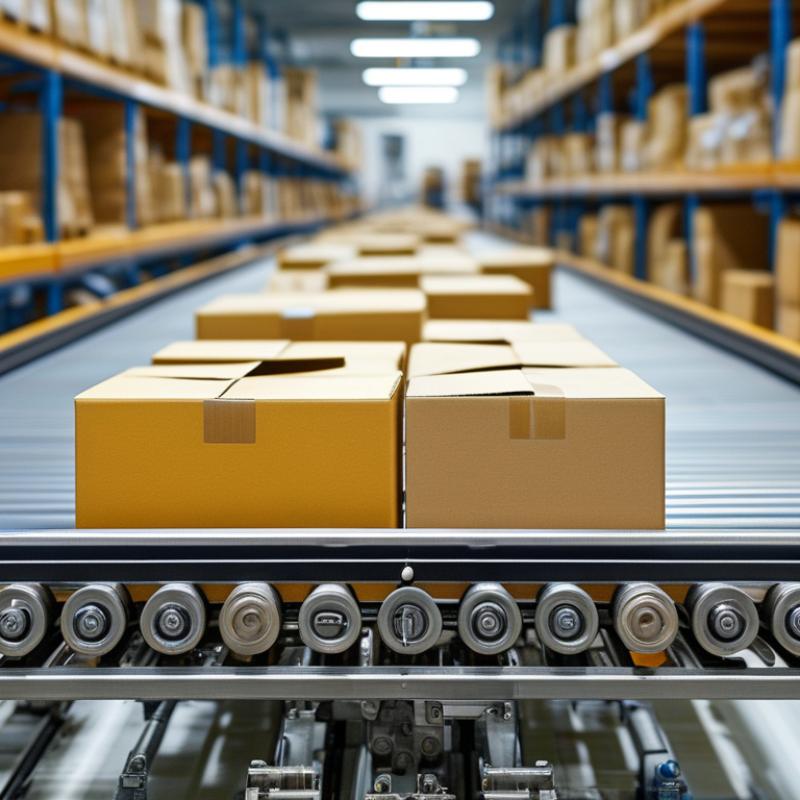
Why Choose a Roller Conveyor System for Your Business?

Benefits of Implementing a Roller Conveyor System in Operations

Implementing a roller conveyor system can transform your operational efficiency. According to a report by the Material Handling Industry of America, nearly 80% of businesses experience a decrease in labor costs after adopting conveyor solutions. This is notable; labor efficiency is crucial in competitive sectors. Workers can focus on value-added tasks rather than transporting materials manually.

Roller conveyors also enhance safety in the workplace. The National Safety Council indicates that proper material handling equipment can reduce injury risks by up to 40%. By minimizing manual lifting, companies protect employees from potential harm. This not only improves morale but can also lead to lower insurance costs over time.

However, adopting a roller conveyor system is not without its challenges. Businesses must consider the initial investment costs and the need for staff training. Some may find the transition difficult. Integration with existing systems can also pose complications. Despite these challenges, the long-term benefits often outweigh the initial hurdles. Streamlined operations and improved safety create a more efficient workflow, ultimately benefiting the bottom line.
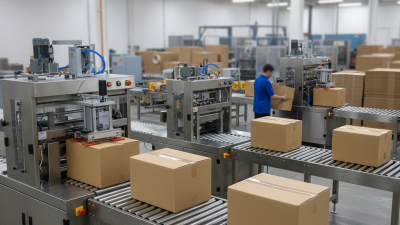
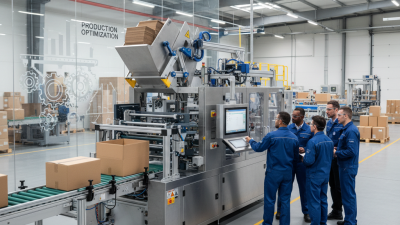
Benefits of Roller Conveyor Systems in Operations

Key Features of Roller Conveyor Systems for Efficient Workflow

Roller conveyor systems are essential for enhancing workflow in various industries. These systems facilitate the smooth transportation of goods, reducing manual handling. With efficient design, they enable swift movement and accessibility. Moreover, they adapt easily to different production lines, which is a key benefit for many businesses.

One standout feature is their modularity. Roller conveyors can be customized in length and width. This means businesses can tailor systems based on specific needs. Additionally, the frames are often constructed from heavy-duty materials. This increases durability and extends the lifespan of the system. Maintenance is relatively simple, but users must pay attention to wear and tear on rollers over time.

Another important aspect is energy efficiency. Many systems operate without constant power consumption. This can lead to cost savings over time. However, it’s crucial to evaluate the initial setup costs versus long-term benefits. Careful planning can prevent future challenges. By focusing on these features, a roller conveyor system can significantly improve operational efficiency.

Cost-Effectiveness of Roller Conveyors in Material Handling

In today's competitive landscape, businesses seek cost-effective solutions for material handling. Roller conveyor systems stand out in this aspect. According to a report by Modern Materials Handling, over 70% of companies report improved efficiency after implementing roller conveyors. These systems allow for seamless movement of goods, reducing labor costs and time delays.

The initial investment in roller conveyors can be substantial. However, the long-term savings justify the expense. A study by the Conveyor Equipment Manufacturers Association indicates that these systems can lower operational costs by up to 30%. This is due to decreased downtime and enhanced productivity. Companies that switch to roller conveyors often notice a quicker return on investment.

Maintenance costs are also lower compared to other conveyor types. Roller conveyors feature simple designs that require minimal upkeep. This reliability ensures continuous operation, which is essential for meeting customer demands. While initial costs can be daunting, the data suggests a shift toward roller conveyor systems leads to financial benefits over time.

Versatility of Roller Conveyor Systems Across Different Industries

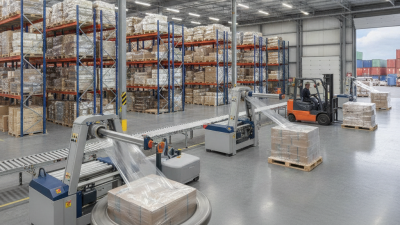
Roller conveyor systems are highly versatile, making them invaluable in various industries. They efficiently transport goods of all shapes and sizes. Whether it's boxes in a warehouse or pallets in a manufacturing plant, these systems handle the task with ease. The ability to convey heavy loads while maintaining speed is a crucial benefit. This capability simplifies operations, reducing manual labor and the risk of workplace injuries.

Different sectors utilize roller conveyor systems uniquely. In retail, they enhance the checkout process by efficiently moving items to the cashier. In logistics, they streamline shipping and receiving, ensuring timely deliveries. However, not all roller conveyor systems are perfect. Some might struggle with very delicate items, risking damage. A business must evaluate its specific requirements and consider the potential limitations of these systems. Adopting a roller conveyor system demands careful thought to optimize its benefits while mitigating drawbacks.

Maintenance and Longevity of Roller Conveyor Systems for Businesses

Roller conveyor systems are becoming increasingly popular in various industries. This is due to their efficiency and ease of use. However, maintenance is crucial for their longevity. Regular inspections help identify wear and tear before it becomes a more significant issue. Most businesses overlook this aspect, leading to unexpected downtime.

Maintenance tasks may seem minor but are vital. Simple actions like cleaning and lubricating rollers can extend the life of the system. Additionally, checking for misalignment can prevent larger problems down the line. An often-neglected point is the importance of proper training for staff. Employees should understand how to spot potential problems early. This proactive approach can save costs and improve system performance.

Over time, it's easy for businesses to become complacent. Routine maintenance may fall by the wayside. Investing time in these practices ensures the roller conveyor remains functional. This keeps operations running smoothly. An occasional review of the system's performance can highlight areas for improvement. Sometimes, more significant upgrades might be necessary. Recognizing this can lead to enhanced efficiency and productivity in the long run.

Why Choose a Roller Conveyor System for Your Business? - Maintenance and Longevity of Roller Conveyor Systems for Businesses

Feature Description Benefits Maintenance Tips
Durability Designed to withstand heavy loads and continuous use. Reduces replacement costs and downtime. Regular inspection for wear and tear.
Flexibility Modular design allows for various configurations. Easily adaptable to changing business needs. Ensure compatibility with existing systems.
Low Maintenance Requires minimal upkeep compared to other systems. Saves time and reduces operational costs. Lubricate moving parts regularly.
Increased Efficiency Speeds up material handling processes. Boosts productivity and throughput. Monitor system load and performance periodically.
Safety Features Built-in safety mechanisms to protect operators. Reduces workplace accidents and injuries. Train employees on proper safety procedures.