Blog

10 Tips for Using Lantech Wrapper Effectively to Optimize Your Packaging

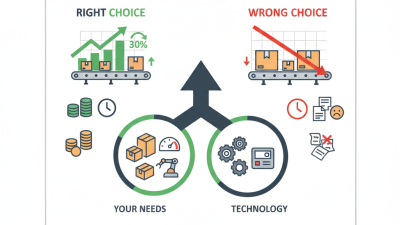
In the fast-paced world of packaging, efficiency is key. The Lantech wrapper has emerged as a critical tool for optimizing packaging processes. According to a report by the Packaging Association, companies that utilize automated wrapping systems can reduce packaging costs by up to 30%. This highlights the potential benefits of using a Lantech wrapper effectively.

However, many businesses fail to fully exploit the capabilities of their equipment. Inconsistent wrapping speeds can lead to product damage and increased waste. A study from the Institute of Packaging Professionals found that over 25% of packaging failures are attributed to improper handling of wrapping machines. This calls for a reevaluation of how we employ tools like the Lantech wrapper in our operations.

Understanding the intricacies of Lantech wrappers is essential. Operators need to recognize that small adjustments can lead to significant improvements. For instance, ensuring that the film tension is optimal can enhance load stability. A focus on these details will not only improve efficiency but can also contribute to sustainability efforts. Reflecting on these factors will lead to more robust packaging solutions.
10 Tips for Using Lantech Wrapper Effectively to Optimize Your Packaging

Understanding the Functionality of Lantech Wrapper in Packaging

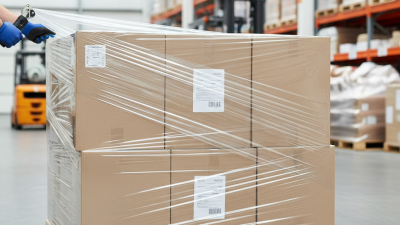
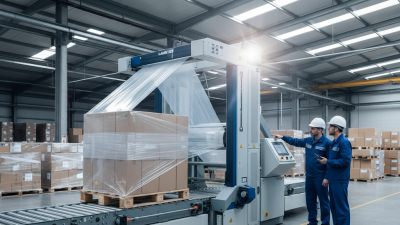
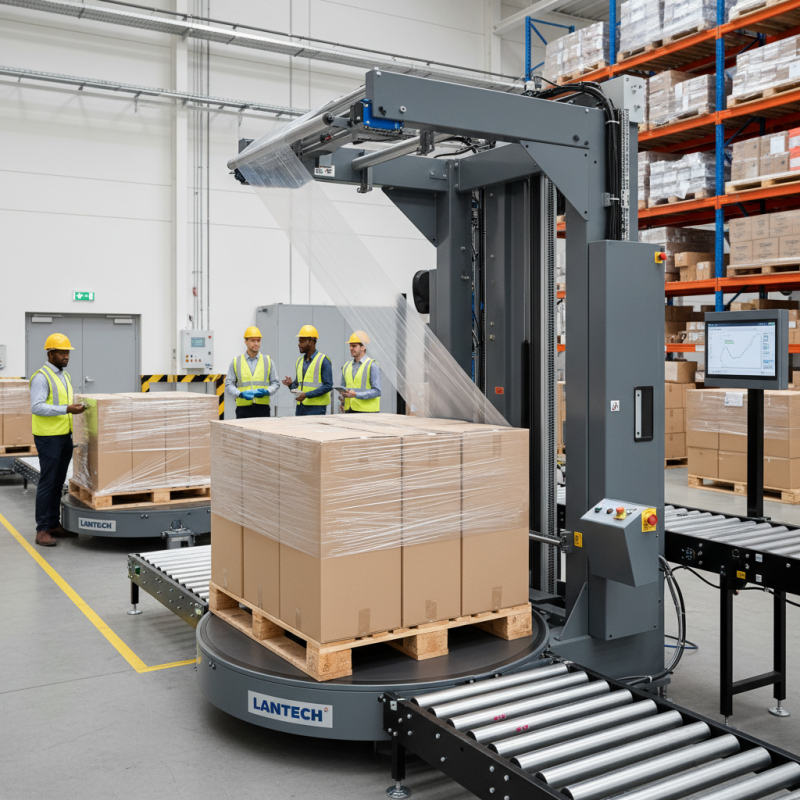
The Lantech Wrapper is a crucial tool in modern packaging processes. It enhances the efficiency of packaging while ensuring product safety. Understanding how it functions can greatly improve operational workflow. The machine utilizes stretch film to secure products on pallets, providing stability during transportation. This is essential for preventing damage to goods.

When set up correctly, the Lantech Wrapper reduces material waste and packaging time. Operators must adjust settings based on the type and size of products. Too tight a wrap can cause product deformation, while too loose a wrap may lead to instability. Regular checks and trials can help find the right balance. Operators should also be aware of the film's quality. Low-quality film may result in frequent failures, requiring restarts that can hinder productivity.

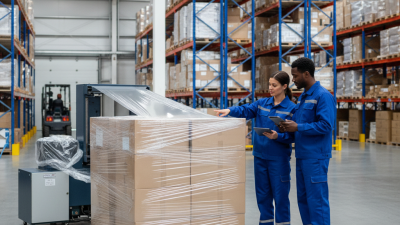
Additionally, training staff is vital for maximizing the wrapper's potential. Untrained personnel might misuse the machine, leading to inefficiencies. Simple mistakes can lead to wasted materials and time. Addressing these issues can improve overall performance. Reflection on past experiences with the Lantech Wrapper can guide better practices, avoiding common pitfalls in future operations.
Key Features of Lantech Wrapper for Enhanced Performance

When optimizing packaging processes, the Lantech Wrapper stands out due to its innovative features. One of its key features is the ability to apply consistent wrap tension. This ensures that products are securely packaged, reducing the risk of damage during transport. According to industry research, proper tensioning can decrease packaging material costs by up to 15%.

Another notable feature is the automatic film cutting mechanism. This reduces manual intervention, which can lead to errors. Operators can save time while minimizing waste. Data shows that automating cutting can lead to a 20% increase in productivity. However, some users report that initial setup can be complex, and regular maintenance is crucial for optimal functionality.

Enhanced control settings on the Lantech Wrapper allow customization based on product type. This flexibility is beneficial, yet some users find it challenging to determine the best settings. Adjusting these settings improperly can lead to inconsistent wraps. Monitoring film usage is essential, as loss can occur with poor adjustments. Companies must train staff thoroughly to maximize the wrapper's capabilities and address any challenges.

10 Tips for Using Lantech Wrapper Effectively to Optimize Your Packaging

Tip Description Benefits Key Features
1. Adjust Film Tension Optimize the tension settings on the wrapper for different product types. Improved stability and reduced film usage. Smart tension control system.
2. Use the Right Wrapper Select the appropriate film type based on package requirements. Maximized protection and reduced waste. Multiple film compatibility.
3. Regular Maintenance Conduct routine checks and maintenance to ensure proper functioning. Lower risk of downtime and improved machine lifespan. Maintenance alert system.
4. Monitor Production Speed Adjust speed settings according to package size and requirements. Optimized throughput without compromising quality. Speed adjustment features.
5. Train Operators Ensure operators are trained on proper usage techniques. Reduced errors and increased efficiency. User-friendly interface.
6. Utilize Automation Features Leverage automated settings for increased consistency. Improved efficiency and reduced labor costs. Automated film feed system.
7. Perform Periodic Testing Regularly test packaging for durability and quality. Ensure product integrity during transport. Integrated testing feedback.
8. Analyze Packaging Process Evaluate the entire packaging process for inefficiencies. Increased overall production efficiency. Analytical reporting tools.
9. Customize Settings for Different Products Adjust machine settings based on product variations. Enhanced packaging tailored to individual products. Customizable presets.
10. Collect Feedback Gather input from the team on packaging performance. Continuous improvement in processes and outputs. Feedback integration tools.

Step-by-Step Guidelines for Setting Up Lantech Wrapper Properly

Setting up a Lantech Wrapper properly is crucial for optimizing your packaging process. Begin by placing the wrapper on a flat surface. Ensure it has enough space for movement. Adjust the height according to your product size. This will prevent unnecessary strain on the machine and improve workflow.

Next, calibrate the machine settings for speed and tension. Different products require different settings. If you notice inconsistent wrapping, revisit your calibration. It’s common to overlook minor adjustments. Proper tension prevents product damage. Remember, not every product will fit perfectly. Take the time to test various settings.

Use the right film for your product type. Some films work better under specific conditions. Monitor your results and make adjustments based on feedback. If the wrapper jams frequently, examine the film tension and type. Implementing these tips may require some trial and error. Don't hesitate to adapt as necessary.

Common Mistakes to Avoid When Using Lantech Wrapper

10 Tips for Using Lantech Wrapper Effectively to Optimize Your Packaging

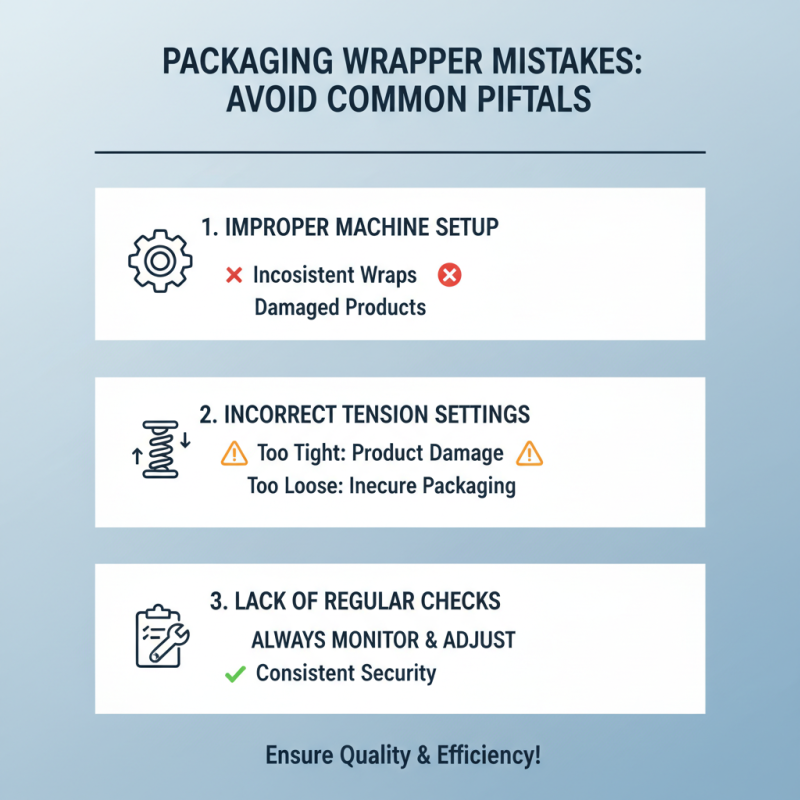
When using a packaging wrapper, avoiding common mistakes is crucial. Many operators overlook the importance of proper machine setup. This can lead to issues like inconsistent wraps or damaged products. Regularly check the tension settings; too tight or too loose can cause problems. Your packaging may not be as secure as needed.

Another mistake is ignoring the film alignment. A misaligned film can create waste and reduce efficiency. Ensure that the film feeds correctly through the rollers. If it jams, address it immediately to prevent further complications. Regular maintenance is key to avoiding this pitfall.

Operators sometimes neglect the training aspect. New staff may not understand how to use the wrapper efficiently. Investing in proper training pays off. Encourage ongoing learning to keep the team sharp. Lastly, don’t underestimate the importance of monitoring production rates. Keeping an eye on speed can prevent errors that are costly down the line.

Maintenance Tips for Prolonging the Life of Your Lantech Wrapper

Maintaining your packaging equipment is crucial for longevity. Regular maintenance of your wrapper ensures optimal performance. According to research, well-maintained machines can last up to 30% longer. This means fewer replacements and lower costs in the long run. Basic upkeep can significantly impact your production efficiency.

Daily checks are essential. Inspecting the film tension and tracking can prevent costly downtimes. Also, cleaning the machine regularly keeps it running smoothly. Manufacturers recommend lubricating mechanical parts every few months. Neglecting this task can lead to premature wear. Ensuring all components are aligned properly reduces stress on the system.

Creating a maintenance schedule is vital. Track wear and tear to identify patterns. This proactive approach can save thousands. Despite the data, many facilities still overlook these practices. Reflecting on past errors can lead to improvements. Investing time in maintenance will yield long-term benefits. Your wrapper deserves attention to thrive in high-demand environments.