Blog

Why is Stretch Wrap Essential for Your Packaging Needs?

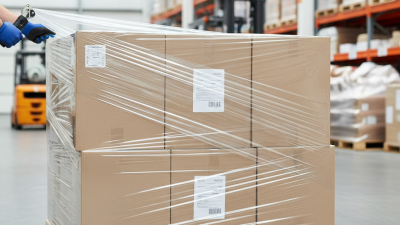
In the world of packaging, stretch wrap is a game changer. This versatile material provides essential protection for various products. Whether you're shipping fragile items or securing pallets, stretch wrap plays a critical role. It ensures stability and minimizes damage during transportation.

Many businesses overlook the importance of using the right packaging. Stretch wrap not only keeps items tightly bound but also offers moisture resistance. Its ability to conform to various shapes makes it ideal for different sized products. Yet, some companies might choose cheaper alternatives, risking damage and loss.

Understanding the significance of stretch wrap can enhance your packaging strategy. Reliable packaging influences customer satisfaction and brand reputation. Investing in quality stretch wrap can prevent costly returns. In an ever-competitive market, this small detail can make a huge difference. Consider what it means for your supply chain.

Why is Stretch Wrap Essential for Your Packaging Needs?

Importance of Stretch Wrap in Modern Packaging Solutions

Stretch wrap plays a crucial role in modern packaging solutions. This versatile film offers protection and stability for various products during storage and transportation. According to the Flexible Packaging Association, about 30% of all packaging materials are made from films, with stretch wrap being a significant contributor. Its ability to securely bundle items minimizes the risk of damage, which can lead to costly losses.

The demand for efficient packaging has surged, especially in e-commerce. Reports indicate that the global stretch film market will grow at a compound annual growth rate of over 4% from 2023 to 2028. The durability of stretch wrap makes it suitable for both light and heavy loads. It prevents shifting during transit, enhancing supply chain efficiency. However, it is essential to consider the environmental impact. Many stretch wrap materials are not recyclable, prompting a need for improvements in sustainability practices.

Using stretch wrap can seem simple, but there are nuances to consider. Proper application techniques are vital to achieving optimal performance. Uneven wrapping can compromise load security. Companies must invest in training to ensure their staff can maximize the benefits of stretch wrap. This careful consideration of application techniques can prevent significant monetary losses and enhance overall operational reliability.

Types of Stretch Wrap and Their Specific Uses

Stretch wrap is a versatile packaging solution that comes in various types, each designed for specific applications. The most common type is hand stretch wrap. It is ideal for smaller operations and manual wrapping. It provides a strong hold and is easy to use. Many people find it sufficient for their everyday packaging tasks. However, it may not be suitable for heavy loads, as it can lead to fatigue over time.

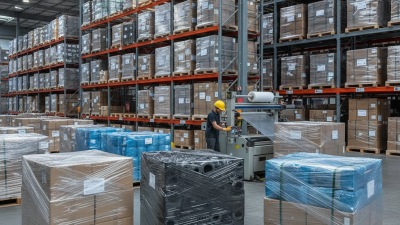
Machine stretch wrap is an excellent option for larger facilities. It is designed for automated systems and can handle heavier items more efficiently. This type often comes with a pre-stretched feature, allowing it to perform better during transportation. Its higher film quality ensures that products remain secure without excessive use of material. Still, some may find it difficult to transition from hand to machine wrapping.

Finally, there is colored stretch wrap, which serves not just for protection but also for organization. Using different colors helps in identifying products quickly and adds an aesthetic element. However, it may not be as strong as the clear or opaque varieties. Each type has its strengths and weaknesses, and evaluating your specific needs is crucial. Packaging requires careful thought, and the right type of stretch wrap can make all the difference.

Benefits of Using Stretch Wrap for Product Protection

Stretch wrap is a crucial solution for protecting products during storage and transport. According to a recent industry report, effective packaging can reduce damage by up to 30%. This statistic highlights the importance of choosing the right material. Stretch wrap is designed to conform tightly to various shapes, ensuring that products remain stable and secure.

One of the key benefits of stretch wrap is its ability to provide a barrier against moisture and dust. This is particularly vital in industries where environmental factors can compromise product quality. For instance, studies have shown that nearly 20% of product losses occur due to environmental damage during transit. With stretch wrap, manufacturers can significantly mitigate these risks.

Moreover, the lightweight nature of stretch wrap reduces shipping costs. A report by Packaging World indicates that using lighter materials can decrease overall freight expenses by up to 15%. This added efficiency can benefit businesses in a competitive market. However, the effectiveness of stretch wrap relies on proper application. Improper wrapping techniques can result in inadequate protection, leaving products vulnerable. Thus, training staff on correct methods is essential for maximizing the benefits of this packaging solution.

Factors to Consider When Choosing Stretch Wrap

When selecting stretch wrap for packaging, several factors come into play. The thickness of the wrap is crucial. Thicker wraps provide more durability, while thinner options are suitable for lighter loads. Assess the type of load you will be wrapping. Different shapes and sizes require specific wraps for adequate protection. It's important to test different wraps in your environment to see which holds up best.

Another vital consideration is the stretchability of the film. High-stretch wraps can save you material costs, as they provide tight securing without excessive layering. However, some wraps may be too stretchy, leading to inferior hold. Evaluating the performance of your selected material can require some trial and error.

Moreover, temperature resistance is often overlooked. Stretch wraps can behave differently under extreme conditions. Cold temperatures may make some materials brittle, while heat can affect adhesion. Being aware of these factors helps ensure your packaging needs are met effectively. Keep testing and refining your approach as you learn what works best for your specific situations.

Best Practices for Applying Stretch Wrap Effectively

Stretch wrap is often underestimated in its importance for safe packaging. Applying stretch wrap effectively requires understanding its properties and best practices. According to a 2021 report from the Packaging Association, proper usage of stretch wrap can reduce shipping damages by over 20%. Such statistics highlight why skillful application is crucial for businesses.

Begin with the right tension. Too tight can cause the wrap to tear. Too loose can lead to shifting products. Aim for a balanced application. Use appropriate weight for the items you are securing. The thickness of the wrap matters too. Thicker films are better for heavier products. A study indicated that using heavier gauge wrap can improve load integrity by 15%.

Ensure that the wrap covers the entire load. Overlap each layer by about 50%. This technique improves stability during transport. Always consider the environment. Choose recyclable or biodegradable options when possible. Not only is this beneficial for the planet, but it also enhances your brand's image. Additionally, analyze your wrapping process regularly. Reflecting on this can reveal areas for improvement. Mistakes in wrapping can lead to costly damages and inefficiencies.

Why is Stretch Wrap Essential for Your Packaging Needs? - Best Practices for Applying Stretch Wrap Effectively

Dimension Description Best Practice
Thickness Common thickness ranges from 50 to 120 gauge Choose thickness based on item weight and fragility
Width Typically available in widths of 12 inches to 30 inches Select width according to pallet size and load dimensions
Stretch Ratio Stretch ratios can vary from 100% to 300% Optimal stretch ratio increases load stability without over-stretching
Application Method Hand wrapping vs. machine wrapping Use machine wrapping for speed; hand wrapping for delicate items
Environmental Considerations Recyclability and use of biodegradable materials Opt for eco-friendly stretch wrap options when possible