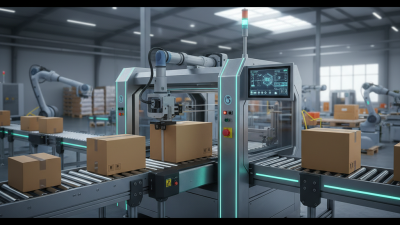
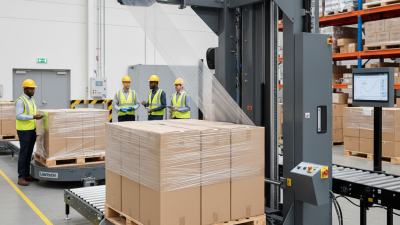
Using a Lantech wrapper can greatly enhance your packaging efficiency. This machine streamlines the wrapping process, reducing waste and increasing productivity. With the right approach, you can maximize the benefits of the Lantech wrapper.
Consider the importance of setup. Proper calibration is essential. Inaccurate settings can lead to faulty wraps. This not only wastes material but also affects product stability. Take time to adjust the machine according to your specific needs.
Regular maintenance should not be overlooked. Clogged parts or worn components can lead to performance issues. Keeping the Lantech wrapper in good condition is vital for optimal operation. Reflecting on these aspects can improve overall efficiency and extend the life of your equipment. Invest time in training staff as well. Understanding the machine fully will promote better results.
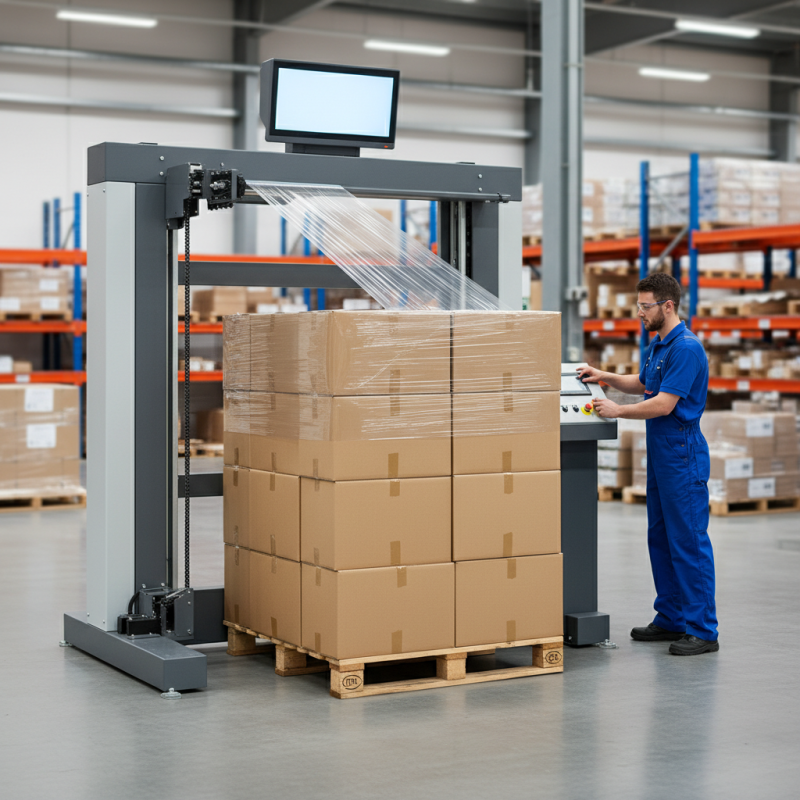
The Lantech Wrapper is a key tool in modern packaging processes. Understanding its functionality can improve productivity significantly. This machine uses stretch film to unitize loads, ensuring stability during transport. In fact, research by industry experts indicates that proper use of wrappers can enhance load security by up to 30%.
When using the Lantech Wrapper, keep these tips in mind. First, ensure your film tension settings are optimized. Too tight of a wrap can lead to film breaks, while too loose can compromise load stability. Monitor your operations regularly. Adjustments may be needed as conditions change. Secondly, train your staff on the best practices for loading items. Proper alignment and spacing can greatly impact the effectiveness of the wrapping process.
Another point to consider is maintenance. Scheduled check-ups are crucial. Dust and debris can affect the wrapper’s performance. A well-maintained machine has a longer lifespan and reduces downtime significantly. Remember, even minor issues can lead to major disruptions in your workflow. By acknowledging these challenges, you can create a more efficient operation.
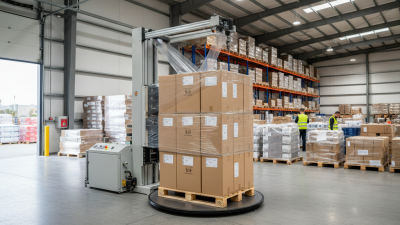
Choosing the right film for packaging is crucial for an efficient wrapping process. The film type impacts durability, visibility, and cost. Stretch film is often preferred for its elasticity. It secures loads tightly without excess bulk. However, not all films are created equal. Some may tear easily, leading to product damage.
When selecting a film, consider the load type. Heavier items might require thicker films. For lighter products, thinner options can save money. Keep in mind the environment too. Biodegradable films might be more suitable, but they can cost more. Balancing eco-friendliness with budget constraints is an ongoing challenge.
Experimentation is key. Test different films to see which performs best in your setup. There will be failures along the way. A wrong choice can waste materials and time. Tracking results can help refine selections. Always assess if the film’s quality matches your needs. Each packaging line is unique and deserves careful analysis.
| Tip Number | Tip Description | Recommended Film Type | Optimal Usage Environment |
|---|---|---|---|
| 1 | Assess load stability before wrapping. | Stretch Film | Dry & even surfaces |
| 2 | Choose the right film thickness for load weight. | Heavy Duty Film | Heavy loads |
| 3 | Ensure even wrapping for optimal load containment. | Standard Stretch Film | All environments |
| 4 | Consider film with UV protection for outdoor storage. | UV Stabilized Film | Outdoor environments |
| 5 | Utilize automatic wrapping for increased efficiency. | Machine Stretch Film | High volume operations |
| 6 | Adjust film tension to suit load size. | Variable Tension Film | Variable load sizes |
| 7 | Regularly inspect equipment for optimal performance. | N/A | Maintenance practices |
| 8 | Select film based on environmental conditions (temperature, humidity). | Climate-Controlled Film | Extreme conditions |
| 9 | Choose the right type of film finish (glossy vs. matte). | Glossy or Matte Film | Visual appeal |
| 10 | Train staff on proper wrapping techniques. | N/A | Work environment |
When using a wrapper for varying load types and sizes, adjusting settings is crucial for optimal performance. Research shows that 35% of packaging inefficiencies stem from improper machine settings. Each load type—be it pallets or irregular shapes—requires attention to detail. A common mistake is neglecting to calibrate tension settings. This can lead to load damage or inefficient wrapping.
Tip: Always assess the load’s weight and size before adjusting the settings. For heavy loads, increase the film tension. For lighter loads, reduce it to avoid crushing. After all, the right tension not only saves film but also ensures product integrity. A notable 45% of users report fewer damages after refining their tension settings.
Tip: Use film thickness tailored to the load size. Thinner films may suffice for lighter items, yet heavier pallets demand thicker options. An inadequate choice may lead to load failure during transport. Regularly evaluate the film as it can wear down, resulting in weak spots.
Being mindful of these adjustments can save time and costs. Overlooking minor details may lead to recurring issues. Always keep an eye on operational performance and make changes as needed. Adaptation is key in maximizing efficiency and ensuring customer satisfaction.
This bar chart demonstrates the wrapping efficiency ratings for different load types. Small and medium boxes show high efficiency, while large boxes and irregular loads have lower ratings. Pallets are shown to be highly efficient, indicating optimal settings for these load types.
Routine maintenance checks are crucial for ensuring the longevity of any wrapper. Regularly inspecting the wrapping machine can prevent unexpected downtime. According to industry reports, 30% of equipment failures are due to a lack of maintenance. This statistic highlights the importance of a solid maintenance routine.
One essential tip is to regularly check the film tension. Improper tension can lead to film tears or waste, negatively impacting productivity. Monitor the tension settings and adjust them as needed. Keeping the machine clean is also vital. Dust and debris can accumulate in moving parts, leading to wear and tear over time. Schedule regular cleaning sessions to ensure all components function smoothly.
Another important aspect is to lubricate moving parts according to the manufacturer's guidelines. Insufficient lubrication can increase friction and cause mechanical failure. Use the recommended lubricants and don’t forget those hard-to-reach areas. Inspecting safety features regularly is crucial, too. Proper functionality ensures a safe working environment. Remember, skipping maintenance steps is tempting when schedules are tight, but it can lead to larger problems down the line.
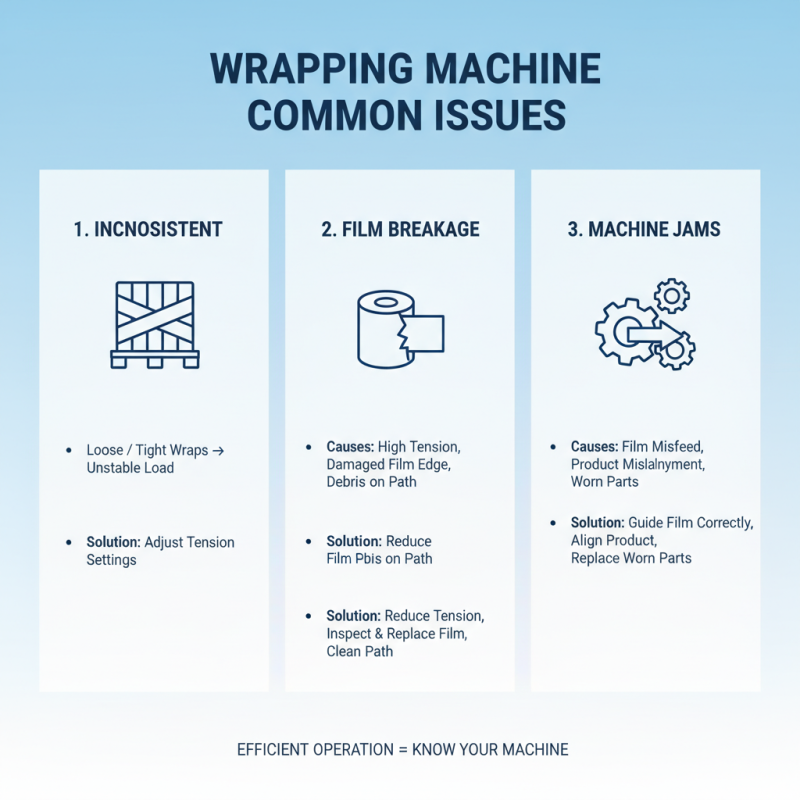
When using wrapping machines, various issues can arise. Understanding common problems is key to efficient operation. One frequent issue is inconsistent wrapping. This usually results in loose or tight wraps, which affects load stability. Check the tension settings. Adjust them as necessary to achieve balance.
Another common challenge is film tearing. This can disrupt the wrapping process. It often occurs due to incorrect alignment of the film rolls. Ensure that the rolls are correctly positioned and that the film is being applied evenly. Regular inspection can help catch these problems early.
Additionally, noisy machinery may indicate a need for maintenance. Disregarding unusual sounds might lead to larger issues down the line. Check for loose parts or wear and tear. Addressing these minor concerns can prevent bigger breakdowns. Observing these troubleshooting tips can lead to improved efficiency and better overall performance.