In today's packaging industry, finding the best stretch film wrap is crucial for efficiency and safety. According to a recent report by Smithers Pira, the global stretch film market is projected to reach $11 billion by 2026, reflecting its growing importance. Leading experts stress the need for reliable materials. James O’Connor, a stretch film wrap specialist, noted, “The right film not only protects products but enhances sustainability.”
Choosing the optimal stretch film wrap means considering its properties. High-quality wraps provide superior load stability and protection. However, many businesses still face challenges. Improper usage can lead to waste and damage during transport. It is essential to select a film that meets specific needs, balancing cost and performance.
The market offers diverse options, yet not all perform equally. Research shows that many companies overlook critical features like thickness and elasticity. This can lead to shortcomings in their packaging processes. Addressing these issues can improve overall operation and bolster sustainability efforts. Evaluating options thoroughly is vital for effective decision-making.

Stretch film wrap is essential for secure packaging solutions. Understanding the different types is crucial for optimizing your packaging process. There are three main types of stretch film:
blown, cast, and pre-stretched. Each type has unique properties suited for various applications.
Blown stretch film, often thicker, offers excellent puncture resistance and clings tightly. This makes it ideal for heavy or irregularly shaped items.
Cast stretch film, on the other hand, is thinner and provides better clarity. It works well for wrapping products that require visibility without compromising security.
Pre-stretched film strikes a balance between the two, offering stretchability while minimizing waste.
For optimal use, consider these tips: Always choose the right type based on your product's needs. Use the appropriate thickness; thinner film may not hold up under heavy loads. Remember that the right tension while wrapping can prevent failures. According to industry reports, using the correct stretch film can enhance load stability by up to 70%. It’s worth reflecting on your current practices, as even minor adjustments can lead to significant improvements in efficiency. Make your packaging count!

When selecting stretch film wrap, it's crucial to assess several factors. The thickness and tensile strength dictate its performance. A study by Freedonia Group indicates that high-quality stretch films have an optimal thickness range of 60 to 80 gauge for versatile applications. Thicker films often provide better puncture resistance, an essential feature for packaging heavy or sharp products.
The choice between hand and machine stretch wraps also matters. Hand wraps are easier to manage for small operations, while machine wraps enhance efficiency for larger volumes. The film's cling properties contribute significantly to load stability during transportation. According to Smithers Pira, the global demand for stretch films is projected to reach 20.1 billion pounds by 2026, reflecting the growing importance of secure packaging solutions.
Additionally, considering environmental impact is ever more critical. Biodegradable options are gaining traction, though they may be pricier. Some producers claim that recycled stretch films do not compromise quality, leading to a need for further research on long-term effectiveness. Balancing cost, performance, and sustainability is a journey for many businesses.
When selecting the best stretch film wrap for packaging, it's essential to consider various options. Different brands offer unique features that cater to diverse packaging needs. Some wraps excel in strength, while others focus on clarity or stretchability. Knowing these differences can greatly enhance your packaging experience.
One popular category is the hand stretch film. This type is favored for its ease of use and versatility. It clings effectively to products, reducing the risk of damage during transit. Look for films with a high stretch capacity. It allows you to secure more items tightly without extra material waste. Meters of coverage can vary, so pay attention to that detail when making a choice.
Machine stretch films are another intriguing option. These are typically used in warehouses where speed is a priority. They can significantly improve packaging efficiency and save time. However, they require specific equipment for application. Therefore, consider whether your business can utilize machine wrap efficiently. Each brand may present different characteristics. It’s important to analyze your needs before commitment, as what works for one may not suit another.
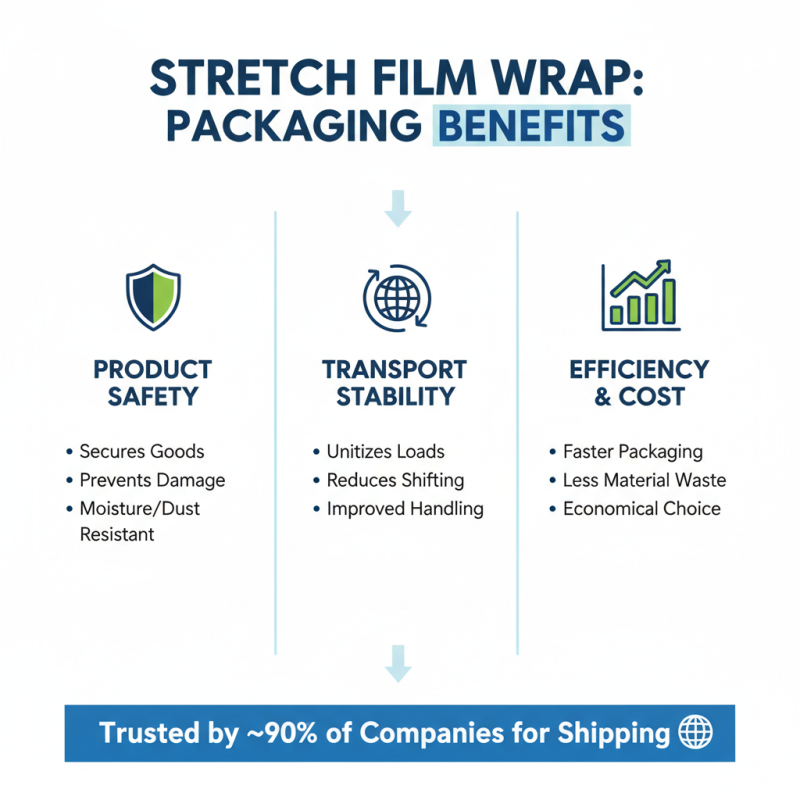
Stretch film wrap has emerged as a preferred choice for various packaging needs across industries. Its benefits are significant and multifaceted. According to industry reports, approximately 90% of companies utilize stretch film for securing goods during transportation. This statistic underscores its popularity and effectiveness in ensuring product safety.
One major advantage of stretch film wrap is its ability to conform tightly around products. This snug fit protects items from dust, moisture, and other environmental factors. Additionally, stretch film enhances load stability during transit. Studies reveal that proper application can reduce product damage by up to 30%. Such findings highlight the necessity of selecting the right stretch film for optimal protection.
Moreover, stretch film wrap contributes to sustainability efforts. Many manufacturers now produce biodegradable options. These alternatives lessen environmental impact without compromising strength. However, organizations often overlook this aspect. While the benefits are clear, not all businesses prioritize sustainable packaging. This gap shows a need for greater awareness and discussion on eco-friendly materials.
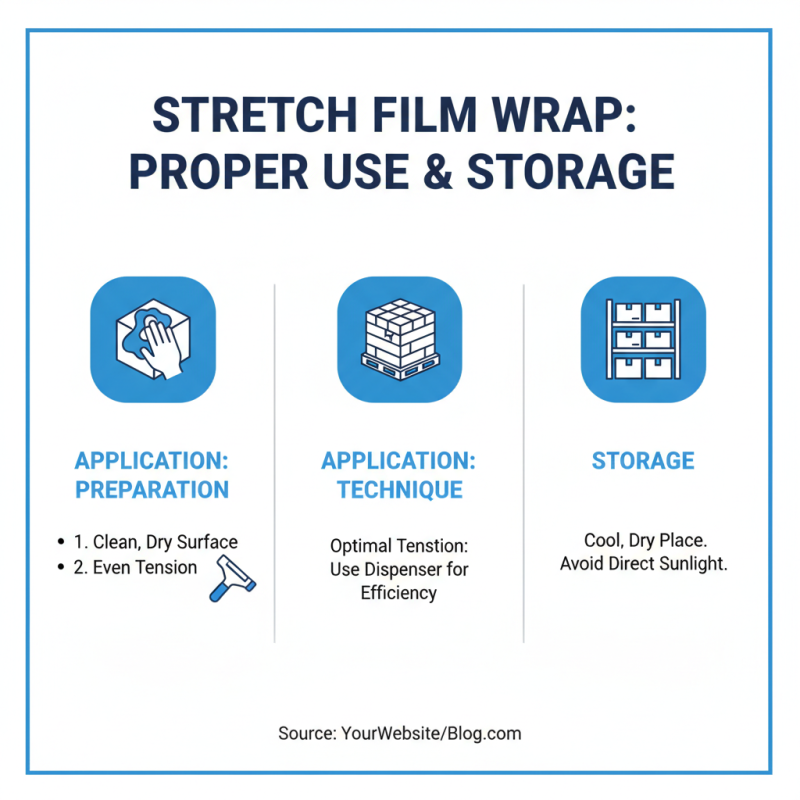
When applying stretch film wrap, precise techniques matter. Begin by ensuring the surface of the item is clean and dry. This defines a solid base for adhesion. An even tension while wrapping is crucial. Too tight can cause tears, while too loose may lead to inadequate protection. Consider investing in an ergonomic dispenser to enhance your wrapping efficiency. This tool can help you maintain the required stretch and tension with minimal effort.
Storage of stretch film wrap is often overlooked. Store rolls upright in a cool, dry environment. Avoid direct sunlight to prevent degradation of the film's quality. Keep them away from heat sources, which can also impact their elasticity. Check your stock regularly to ensure that older rolls are used first. Over time, stretch film can lose its effectiveness.
Moreover, always test the film on various items. Different surfaces may require adjustments for optimal performance. Some users might encounter issues with sticking or fraying edges. It’s important to recognize these problems early on and adapt your technique accordingly. Continuous evaluation can lead to improved results in your packaging process.